


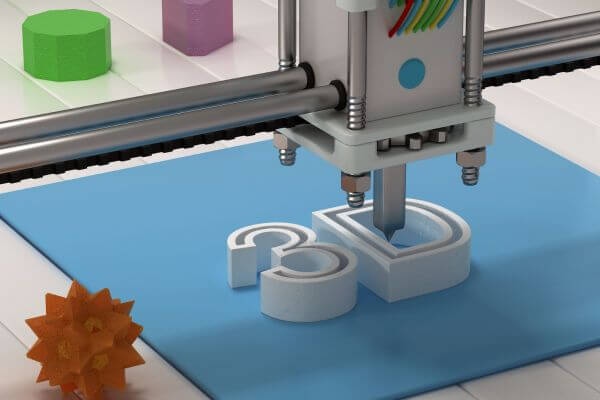

From a concept once confined to the pages of science fiction novels, 3D printing, or additive manufacturing, has materialized into a groundbreaking technology with vast potential. This innovation has transcended mere novelty, providing transformative solutions across diverse industries.
The beauty of 3D printing is its adaptability. Whether reconstructing human anatomy in the medical field, erecting sustainable dwellings, or refining production processes in manufacturing, its applications are vast and varied.
Let’s embark on a journey to explore how 3D printing is revolutionizing health, construction, and manufacturing. The three sectors, although different, are unified by the transformative touch of this technology.
Healthcare: Tailoring Treatment and Beyond
Healthcare is a realm where personalization is paramount. With printing, prosthetics can be custom-fitted, catering perfectly to individual needs. It’s more than mere replacement; it’s about restoring functionality with a personalized touch.
In addition, printing has shown promise in bioprinting. Imagine creating organs tailored for transplantation, reducing wait times and rejection risks. Although still in developmental stages, the potential here is staggering.
Furthermore, dental implants, hearing aids, and even prescription glasses are benefiting from precise 3D-printed designs. Such innovations not only enhance patient comfort but also improve treatment outcomes.
3D Printing: Building the Future
3D printing in construction is all about sustainability and efficiency. Automated printers can produce building components or even entire structures, minimizing waste and expediting the construction timeline.
Take, for example, disaster relief. In areas devastated by natural calamities, 3D printers can quickly assemble shelters, providing immediate refuge. Not to mention, designs can be adapted on-the-go, catering to diverse geographical and climatic needs.
On the sustainable front, there’s potential to utilize recycled materials for printing, championing eco-friendly construction. As cities grow, printing might just be the answer to affordable and sustainable urban housing.

Manufacturing: Precision and Productivity
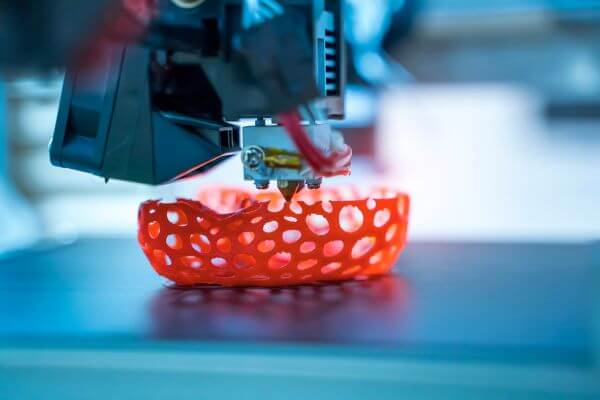
In manufacturing, precision is key. 3D printing allows for intricate designs that are often too complex for traditional manufacturing methods. From aerospace components to bespoke jewelry, the applications are vast.
Additive manufacturing also brings agility. Production runs can be adjusted with ease, enabling businesses to adapt to market demands swiftly. This flexibility could redefine supply chains, making them more resilient and responsive.
Furthermore, the democratization of design is a notable benefit. Designers can prototype rapidly, testing and refining products without hefty upfront costs. This nurtures innovation, allowing fresh ideas to come to life faster than ever.
Education and Research: Hands-On Learning with the 3D Printing
Beyond the industries, education and research sectors are reaping the rewards of 3D printing. For students, visualizing complex concepts is made simpler with tangible 3D models, enhancing comprehension and retention.
Research institutions leverage 3D printing for rapid prototyping, bringing theoretical concepts into the real world. This accelerates innovation, as hypotheses can be tested and adjusted in real-time.
The synergy with emerging technologies like AR and VR can redefine experiential learning. From biology to engineering, hands-on learning experiences are set to become the norm.
Challenges and the Road Ahead
However, it’s not all smooth sailing. The challenges of 3D printing, from intellectual property concerns to material limitations, need addressing. As industries adapt, regulatory frameworks must evolve in tandem.
Yet, as with all revolutionary technologies, continuous refinement is the name of the game. Collaboration between industry leaders, researchers, and policymakers will pave the way for best practices.
The horizon is bright, and the future is dynamic. As we stand on the cusp of this revolution, one thing’s certain: 3D printing isn’t just shaping objects – it’s shaping the future of industries.
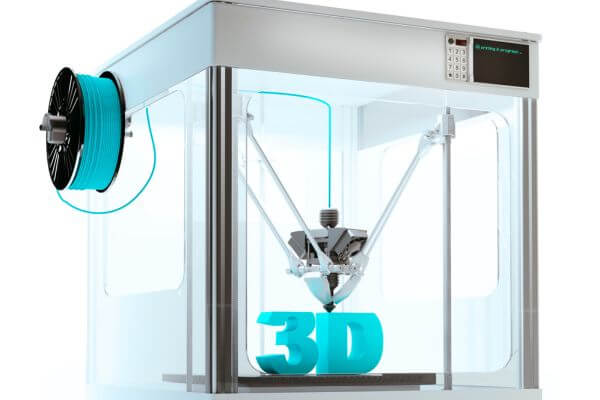
As we navigate the vast expanse of the 3D printing revolution, its profound impact across sectors is evident. While challenges remain, the collaborative spirit of innovation ensures they are but stepping stones. Embracing 3D printing isn’t merely about adopting a technology; it’s about reimagining possibilities.