


Artificial Intelligence (AI) has transcended beyond the realms of science fiction, and today, it’s an integral part of our daily lives. From self-driving cars to virtual assistants, AI is reshaping industries, but with great power comes great responsibility.
It’s not just about programming code or training algorithms; the emergence of AI has brought forth complex ethical dilemmas. How do we ensure that AI doesn’t discriminate? How do we control its unintended consequences?
These questions aren’t just for technologists or philosophers; they concern all of us. In this journey through the ethical minefield of Artificial Intelligence, we’ll explore various facets that touch upon moral, societal, and legal dimensions.
Bias and Discrimination: An Unintended Consequence
As machines learn from human-generated data, they can inadvertently inherit our biases. Whether it’s racial, gender, or socioeconomic bias, AI systems can reinforce these stereotypes, leading to unfair and harmful outcomes.
The challenge of eliminating this bias is immense, requiring transparent algorithms and diverse training data. Ensuring fairness isn’t just a technical issue; it’s a matter of social justice that needs collective action.
Interestingly, the very technology that poses these challenges could be part of the solution. AI can help identify and rectify biases, creating a virtuous cycle of learning and growth.
Privacy and Surveillance with Artificial Intelligence (AI).
In an age of smart devices and facial recognition, privacy is increasingly under siege. AI’s ability to analyze vast amounts of data can lead to incredible insights, but it can also intrude into personal lives.
Striking the right balance between leveraging AI for security and respecting individual privacy is a tightrope walk. Governments, organizations, and individuals must collaborate to define this fine line.
But it’s not just about drawing boundaries; it’s about actively protecting those boundaries. Ensuring robust security measures and holding entities accountable for breaches is paramount.
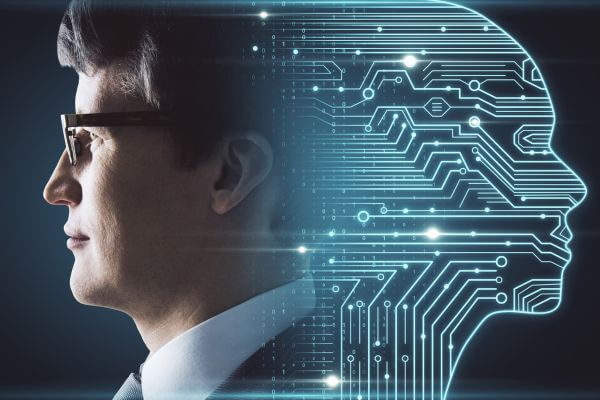
Artificial Intelligence: Autonomy and Control
Autonomous AI systems, such as drones and self-driving cars, offer tremendous potential but also raise serious ethical concerns. Who is responsible if something goes wrong? How do we ensure safety?
These questions bring legal and moral considerations to the fore. Creating clear regulations and ethical guidelines is essential to build trust and enable these technologies to flourish responsibly.
Moreover, the human-machine interaction needs careful orchestration. Understanding and designing the balance between autonomy and human oversight is a complex but crucial task.
Job Displacement and Economic Implications: A Double-Edged Sword
AI’s impact on the job market is both exciting and worrisome. While it can take over mundane tasks and create new roles, it also threatens to displace workers, particularly in vulnerable sectors.
Navigating this transition requires foresight and empathy. Governments, businesses, and educational institutions must work together to reskill workers and ensure that technological progress doesn’t widen economic disparities.
Interestingly, AI can play a role here too. Tailored education and training programs, guided by AI, could make this transition smoother and more human-centric.
Global Ethics and Regulations: A Common Ground
AI doesn’t recognize borders, and its ethical implications are global. Developing international standards and regulations is challenging but necessary to ensure a cohesive approach to AI ethics.
Different cultures might have varied ethical considerations. Finding common ground, fostering global collaboration, and adapting to local contexts are essential steps in building a fair AI ecosystem.
The journey towards global AI ethics isn’t a destination but a continuous process. Regular reviews, dynamic regulations, and an inclusive approach are keys to keeping pace with evolving technology.
Conclusion
The ethical landscape of Artificial Intelligence is rich and complex. It brings together technology, society, law, and philosophy, demanding a multidisciplinary approach to navigate. Whether we are users, creators, or regulators of AI, we all have a role to play in shaping its ethical course.
Our exploration of bias, privacy, autonomy, economic implications, and global ethics is just the tip of the iceberg. The conversation is ongoing, and the responsibility is collective. As AI continues to weave into the fabric of our lives, our commitment to ethical principles must remain steadfast. The future of AI is exciting, but the path we choose must be guided not just by innovation but by conscience and empathy. The dance between machines and morals has begun, and it’s a dance we must lead with wisdom and grace.