




Water is the essence of life, a crucial resource for the survival of every species on Earth. However, with the growing global population and climate change, water scarcity is becoming a pressing issue. Technology plays a pivotal role in addressing this crisis, offering innovative solutions for water conservation and purification.
The integration of technology in water management is not just about conservation; it’s about creating sustainable systems for the future. Advanced technologies are reshaping the way we consume and manage water, ensuring the availability of clean water for all, and mitigating the impacts of water scarcity on ecosystems and communities.
In this article, we will explore the multifaceted role of technology in water conservation and purification, delving into the innovations that are making a difference in addressing global water challenges. From smart irrigation systems to advanced water purification technologies, we will examine how technology is a beacon of hope in the quest for water sustainability.
Smart Irrigation Systems
Smart irrigation technology is revolutionizing water use in agriculture, the sector that consumes the most water globally. These systems utilize sensors and data analytics to optimize water usage, reducing waste and improving crop yields. They monitor soil moisture levels and weather conditions to determine the precise amount of water needed, preventing overwatering and runoff.
Moreover, smart irrigation promotes sustainability by minimizing water usage and maximizing efficiency. It allows farmers to manage water resources more effectively, ensuring that crops receive the right amount of water at the right time. This not only conserves water but also reduces the environmental impact of agricultural practices.
Additionally, the adoption of smart irrigation systems is economically beneficial. By optimizing water usage, farmers can reduce their water bills and increase their profit margins. The integration of technology in irrigation is a win-win situation, addressing the pressing need for water conservation while enhancing agricultural productivity.
Advanced Water Purification Technologies
The advent of advanced water purification technologies is a game-changer in providing access to clean water. Reverse osmosis, ultraviolet purification, and nano-filtration are some of the technologies that have proven effective in removing contaminants from water, making it safe for consumption. These technologies are crucial in regions where access to clean water is a challenge.
Furthermore, portable water purification devices are bringing clean water to remote and disaster-stricken areas. These devices are compact, easy to use, and efficient in purifying water from various sources. They are a lifeline for communities that lack access to safe drinking water, preventing waterborne diseases and improving public health.
In addition to addressing water scarcity, advanced water purification technologies are instrumental in environmental conservation. They enable the recycling and reuse of water, reducing the demand for freshwater and alleviating the pressure on water resources. The implementation of these technologies is essential for sustainable water management and environmental preservation.
Water Monitoring and Leak Detection
Water monitoring and leak detection systems are vital components in water conservation. These technologies employ sensors and real-time data analysis to detect leaks in water infrastructure, preventing water loss and damage. Early detection of leaks enables timely repairs, reducing water wastage and saving costs associated with water damage.
The integration of these systems in residential and commercial buildings is a proactive approach to water conservation. It empowers individuals and businesses to monitor their water consumption and identify anomalies in water usage. This awareness fosters responsible water consumption and contributes to overall water conservation efforts.
Moreover, water monitoring and leak detection technologies are instrumental in addressing the global water crisis. They facilitate the efficient management of water resources, ensuring the availability of water for various needs. The adoption of these technologies is a step forward in achieving water sustainability and addressing the challenges posed by water scarcity.
Desalination Technologies
Desalination technologies are transforming seawater into a viable source of freshwater. These technologies remove salt and other impurities from seawater, making it suitable for consumption and irrigation. Desalination is a beacon of hope for arid regions and areas facing severe water scarcity, providing a sustainable solution to water shortages.
The advancements in desalination technologies are reducing the costs and environmental impacts associated with the process. Energy-efficient desalination methods are being developed, minimizing the energy consumption and carbon footprint of desalination plants. These innovations are making desalination a more accessible and eco-friendly option for water supply.
Additionally, the development of small-scale desalination units is expanding the reach of desalination technologies. These units are suitable for remote areas and small communities, providing a localized solution to water scarcity. The evolution of desalination technologies is crucial in diversifying water sources and enhancing water security in the face of growing water demands.
Rainwater Harvesting Systems
Rainwater harvesting systems are an age-old method modernized by technology to conserve water. These systems collect and store rainwater for later use, reducing the reliance on conventional water sources. The harvested rainwater can be used for irrigation, flushing toilets, and, after purification, as drinking water, contributing to water conservation.
Modern rainwater harvesting systems are equipped with filtration and purification technologies, ensuring the quality of the harvested water. They also incorporate monitoring systems to track water levels and usage, optimizing the utilization of harvested rainwater. These enhancements are maximizing the benefits of rainwater harvesting in water conservation.
Furthermore, the implementation of rainwater harvesting systems is a sustainable approach to water management. It alleviates the pressure on water resources, especially in regions with irregular rainfall patterns. The integration of technology in rainwater harvesting is enhancing its efficiency and impact, making it a viable solution for addressing water scarcity.
Recommended for you
Wastewater Treatment and Reuse
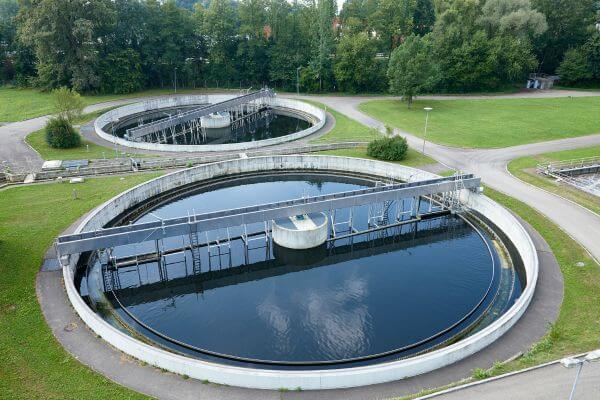
Wastewater treatment technologies are pivotal in conserving water by recycling and reusing it. Advanced treatment processes, such as membrane bioreactors and activated sludge systems, effectively remove contaminants from wastewater, rendering it safe for various uses. This treated water can be used for irrigation, industrial processes, and even for potable purposes after further purification.
Moreover, the reuse of treated wastewater reduces the demand for freshwater, alleviating the pressure on water resources. It also prevents the discharge of untreated wastewater into water bodies, protecting aquatic ecosystems and public health. The integration of technology in wastewater treatment is transforming waste into a valuable resource, promoting water sustainability.
Furthermore, innovations in wastewater treatment are addressing the challenges of water scarcity and pollution. Decentralized wastewater treatment systems are being developed for localized treatment and reuse, especially in areas lacking centralized sewage systems. These systems are efficient, cost-effective, and crucial for sustainable water management in urban and rural settings.
Smart Water Meters
Smart water meters are revolutionizing water consumption monitoring and management. These meters provide real-time data on water usage, enabling consumers and utilities to track and optimize water consumption. They facilitate accurate billing, promote water conservation, and detect anomalies in water usage, such as leaks.
The adoption of smart water meters is fostering responsible water consumption. They empower consumers with insights into their water usage patterns, encouraging them to adopt water-saving practices. Moreover, utilities can utilize the data from smart meters to manage water distribution efficiently, ensuring equitable water supply and reducing water losses.
Additionally, smart water meters are instrumental in addressing the global water crisis. They provide valuable data for water resource management, facilitating the efficient allocation and utilization of water. The integration of technology in water metering is a significant step towards achieving water sustainability and addressing the challenges of water scarcity.
Aquifer Recharge Systems
Aquifer recharge systems are innovative solutions for replenishing groundwater levels. These systems capture excess surface water, especially during rainy seasons, and direct it to aquifers, replenishing the groundwater reserves. This process is crucial in regions facing declining groundwater levels due to over-extraction and changing rainfall patterns.
Technology plays a pivotal role in optimizing aquifer recharge. Advanced monitoring systems track the water levels in aquifers, ensuring effective recharge without over-saturation. Moreover, filtration technologies are integrated into the recharge process, ensuring the quality of the recharged water and protecting aquifers from contamination.
Furthermore, aquifer recharge systems are crucial for sustainable water management. They ensure the availability of groundwater for various needs, especially in arid regions. The integration of technology in aquifer recharge is enhancing its efficiency and impact, making it a viable solution for addressing groundwater depletion and water scarcity.
Water Quality Monitoring Systems
Water quality monitoring systems are essential for ensuring the safety and quality of water supplies. These systems employ sensors and real-time data analysis to detect contaminants in water, ensuring its suitability for consumption and other uses. Early detection of contaminants enables timely interventions, preventing waterborne diseases and protecting public health.
The advancements in sensor technology are enhancing the accuracy and efficiency of water quality monitoring. These sensors can detect a wide range of contaminants, from pathogens to heavy metals, providing comprehensive insights into water quality. Moreover, real-time monitoring facilitates prompt responses to water quality issues, ensuring the safety of water supplies.
Additionally, water quality monitoring systems are instrumental in environmental conservation. They monitor the quality of water in natural water bodies, detecting pollution and its sources. This data is crucial for formulating policies and interventions for water quality management, protecting aquatic ecosystems, and ensuring the sustainability of water resources.
Hydroponics and Water Conservation
Hydroponics is an innovative agricultural method that conserves water by growing plants without soil. In hydroponic systems, plants are grown in nutrient-rich water, utilizing significantly less water than traditional agriculture. This method is efficient, sustainable, and crucial for food production in regions with water scarcity.
Technology enhances the efficiency of hydroponic systems. Advanced monitoring systems track the water and nutrient levels, optimizing the growth conditions for plants. Moreover, automation technologies facilitate the efficient management of hydroponic systems, reducing water wastage and maximizing yields.
Furthermore, hydroponics promotes sustainability by minimizing water usage and environmental impacts. It eliminates the need for pesticides and herbicides, protecting water quality and ecosystems. The integration of technology in hydroponics is revolutionizing agriculture, promoting water conservation, and ensuring food security in the face of growing water challenges.