


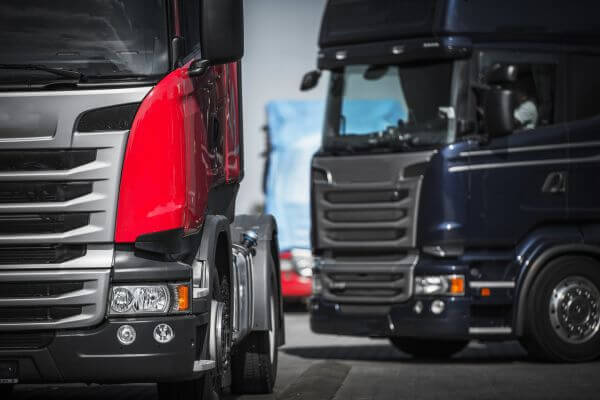
On Monday, Volvo unveiled its first autonomous truck during the ACT Expo in Las Vegas. This groundbreaking vehicle, developed in partnership with Aurora, marks a significant advancement in the trucking industry. The event showcased Volvo’s commitment to innovation and the future of transportation.
Trucks play a crucial role in our society, especially in countries like Brazil where rail transport is minimal. Anyone familiar with logistics understands our heavy reliance on these road giants. They are essential not only on highways but also in cities for services like waste collection.
The life of a truck driver is demanding. Long hours, extended periods away from home, and the responsibility of valuable cargo make their job challenging. However, technology is now offering a solution to ease these burdens.
The Need for Autonomous Trucks
Truck drivers often endure a tough routine. They spend days away from home and drive for hours without rest. Managing expensive cargo that belongs to others adds to their stress.
Autonomous trucks present a promising alternative. They can help make the lives of truck drivers more manageable. By taking over some of the driving duties, these vehicles allow drivers to focus on other tasks.
The Volvo autonomous truck, created with Aurora, is designed to reduce the pressures faced by drivers. This model is reportedly “ready for production,” signaling a new era in trucking.
Aurora Driver Volvo Technology
The heart of Volvo’s autonomous truck is the Aurora Driver. This system represents cutting-edge technology in autonomous driving. It uses high-resolution cameras, imaging radars, and various sensors, including a LiDAR capable of detecting objects up to 400 meters away.
Aurora, founded by former executives from Google, Uber, and Tesla, rigorously tested its system before public release. The Aurora Driver has logged billions of virtual training miles and 1.5 million commercial miles on public roads.
For safety, the truck features redundant systems. These include steering, braking, communication, computing, energy management, and vehicle movement management systems. This ensures the truck can operate safely under various conditions.
Impact on the Trucking Industry
The introduction of autonomous trucks could revolutionize the trucking industry. These vehicles can help address driver shortages and improve efficiency. Autonomous technology promises to reduce delivery times and operational costs.
Furthermore, autonomous trucks can enhance safety on the roads. Human error is a significant cause of accidents. By relying on precise, advanced technology, the risk of accidents can be significantly reduced.
The Volvo and Aurora partnership highlights the potential for collaboration in the industry. Combining expertise from different fields can lead to significant advancements in autonomous vehicle technology.
Recommended for you
Will Autonomous Trucks Replace Drivers?
A common concern with the rise of autonomous trucks is the potential loss of truck driving jobs. However, this fear is unfounded, at least for now. As technology advances and proves safe, some companies might choose autonomous trucks. But, in the initial phase, all vehicles will still have a driver on board.
These drivers will be there to take control if needed. So, truck drivers will not be replaced immediately. Instead, they will transition to a new role where they monitor the autonomous systems. This ensures that human oversight remains part of the equation.
This transition period is crucial for safety and adaptation. It allows drivers to become familiar with the new technology and gain confidence in its reliability.
Upcoming Tests and Expansion Plans
Aurora plans to test a fleet of 20 fully driverless trucks between Dallas and Houston in the coming months. This trial is a significant step toward broader implementation. Following this, Aurora aims to expand the fleet to around 100 trucks by 2025.
Eventually, Aurora intends to sell its system to other companies. This expansion will help integrate autonomous technology into the wider trucking industry. These tests are currently happening in the United States, with no set timeline for when this technology will reach other countries, such as Brazil.
This phased approach allows for thorough testing and refinement. It ensures that autonomous trucks can operate safely and efficiently on a larger scale.
Economic Considerations for Volvo Truck Drivers
The introduction of autonomous trucks is not expected to threaten jobs in the near term. The high cost of this technology means it will be out of reach for many, especially in the initial stages. Therefore, truck drivers employed by companies can feel secure about their jobs.
For independent truckers, owning an autonomous vehicle could offer a more relaxed routine. The ability to have a truck that drives itself while the driver monitors could reduce the physical and mental strain of long-haul driving.
However, the high initial cost might be a barrier. Over time, as the technology becomes more widespread and affordable, it could become a viable option for more truck drivers.

The Future of Trucking with Autonomous Technology in Volvo
As autonomous technology continues to evolve, it will play a more significant role in the trucking industry. The transition will be gradual, with both autonomous and traditional trucks operating together.
This coexistence allows for a smoother transition. It ensures that the benefits of autonomous technology can be realized without causing widespread job losses. Truck drivers will have time to adapt to their new roles.
The long-term outlook is promising. Autonomous trucks have the potential to transform logistics, making it more efficient and safer. However, this change will require careful planning and adaptation.
Conclusion
The introduction of Volvo’s autonomous truck in partnership with Aurora is a groundbreaking development. It represents a significant step forward in the trucking industry. While there are concerns about job security for truck drivers, the transition will be gradual and managed carefully.
Initial tests and phased implementation will ensure that the technology is safe and reliable. Drivers will continue to play a crucial role in overseeing these autonomous systems. This period of adaptation is essential for building confidence in the technology.
Ultimately, autonomous trucks offer the potential for a more efficient and safer trucking industry. The benefits will be realized over time, with careful planning and consideration for the impact on current truck drivers. The future of trucking is bright, with both technology and human expertise working together to drive progress.

