




Imagine a world where your car drives you. It’s not science fiction; it’s the reality we’re edging closer to every day. Autonomous driving technology is transforming the way we think about transportation, creating opportunities for increased safety, efficiency, and convenience.
But with this technological evolution comes a set of ethical and practical challenges. The rise of autonomous cars opens a complex debate around liability, decision-making, and societal impact. How do we balance innovation with responsibility?
Join us on this intriguing journey as we explore the current state of autonomous driving technology, the significant strides made, and the ethical conundrums that accompany this groundbreaking development. The future of driving is here, but are we ready for it?
The Technology Behind Autonomous Cars
It all starts with the technology. Autonomous cars utilize a combination of sensors, cameras, radar, and artificial intelligence to navigate and drive without human intervention. These high-tech tools allow the vehicle to understand its surroundings and make split-second decisions.
Machine learning plays a pivotal role here. The more an autonomous car drives, the more data it gathers, leading to continuous improvement and learning. However, the technology is far from perfect, and glitches or malfunctions can have serious consequences.
Different levels of automation (0 to 5) define the extent to which a car is self-driving. From driver assistance in the lower levels to full autonomy without any human intervention at level 5, the progression is intricate and filled with technical challenges.
Autonomous Cars in Our Lives: Opportunities and Challenges
The promises of autonomous driving are immense. Convenience, fuel efficiency, and potentially fewer accidents offer a glimpse into a better future. In urban planning, the impact could be profound, altering the way our cities are designed.
Yet, challenges abound. From the high costs of the technology to regulatory hurdles and concerns over job displacement in driving industries, the road to full autonomy is fraught with obstacles. The integration with existing infrastructure is also a massive task.
Ethical challenges create further complexity. How does a machine make life-and-death decisions? The programming of ethical considerations into algorithms remains a highly debated issue, with no straightforward answers.
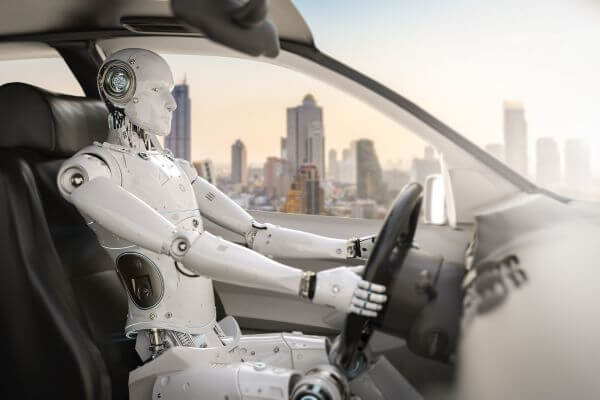
Safety and Regulation: Ensuring a Smooth Transition
Safety is paramount when it comes to autonomous vehicles. The public must trust the technology for it to become mainstream. Incidents involving autonomous cars have raised concerns and skepticism, highlighting the need for stringent testing and regulations.
Governments and organizations are working to create standardized regulations and testing methods. The aim is to ensure that the technology is foolproof before it hits the roads on a large scale. This collaboration between various stakeholders is critical to building public trust.
Insurance and liability are also significant concerns. In an accident, who is responsible when there’s no driver? Laws must evolve to address these unique situations, and that’s a legal challenge that lawmakers are currently grappling with.
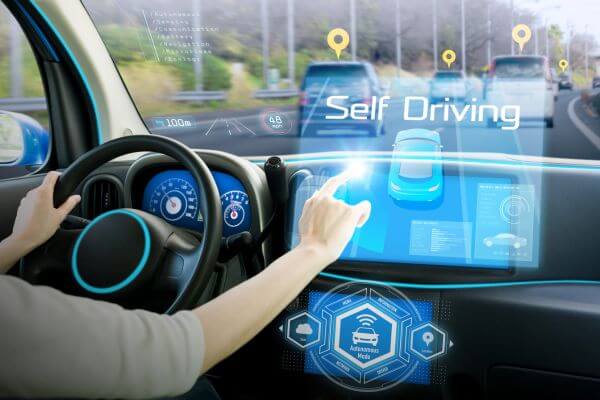
The Future of Autonomous Driving: What to Expect
As technology continues to advance, we can expect to see more autonomous features in our everyday vehicles. Companies are investing billions in research and development, and the fruits of their labor are already becoming visible.
However, full autonomy is still a distant dream. Technological hurdles, regulations, public perception, and ethical considerations all play a part in this complex equation. It’s a thrilling yet cautious path towards a future where cars drive us rather than the other way around.
Stay tuned for more developments in this exciting field. This article scratches the surface, and in an upcoming piece, we’ll delve into tips and insights on how the technology functions. The journey towards autonomous driving is accelerating, but there’s much more to explore.
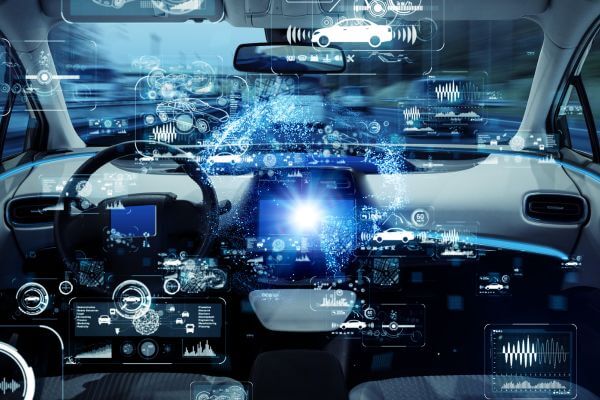
A Roadmap to the Future
Autonomous driving technology presents a fascinating intersection of innovation, opportunity, and challenge. The road ahead is exciting but filled with uncertainties.
A concerted effort from technologists, regulators, ethicists, and society as a whole will shape the future of this burgeoning field. Cooperation, discussion, and responsible innovation are key.
As we stand on the brink of a new era in transportation, we must navigate with care and foresight. The rise of autonomous cars isn’t just a technological revolution; it’s a societal shift that demands thoughtful consideration and planning.