




In the intricate web of life where every species plays a pivotal role, biodiversity is the foundation upon which ecosystems thrive. The advent of technology has ushered in a new epoch of conservation efforts, enabling us to monitor and protect the rich tapestry of life that adorns our planet. From satellite tracking to genetic analysis, the tools at our disposal are not only innovative but also indispensable in the fight to preserve our world’s biodiversity.
The digital age has brought about a renaissance in conservation strategies, with data analytics and artificial intelligence becoming central to understanding ecological patterns. These technologies offer unprecedented insights into the behaviors and interactions of species, allowing for more effective conservation planning. As we delve deeper into the potential of these tools, it becomes clear that technology is not just a luxury but a necessity for biodiversity conservation.
Amidst the global biodiversity crisis, technology stands as a beacon of hope. It equips us with the means to not only halt the loss of biodiversity but also to reverse it. Through a combination of remote sensing, bioacoustics, and other technological advancements, we are now more capable than ever of safeguarding the natural heritage that sustains us all.
Harnessing AI for Habitat Analysis
Artificial intelligence (AI) is revolutionizing the way we approach habitat conservation. Machine learning algorithms can process vast amounts of environmental data, identifying patterns that would take humans years to uncover. This rapid analysis is crucial in pinpointing critical habitats and deploying conservation resources where they are most needed.
AI-driven models are particularly effective in predicting the impacts of climate change on specific ecosystems. By simulating various scenarios, conservationists can formulate strategies to mitigate adverse effects and promote resilience among wildlife populations. This foresight is invaluable in preserving biodiversity for future generations.
Moreover, AI assists in the management of protected areas by monitoring species populations and their movements. This information is vital for maintaining ecological balance and ensuring that conservation efforts are aligned with the natural dynamics of the ecosystem. AI’s role in habitat analysis is not just transformative; it is foundational to modern conservation practices.

Satellite Imagery in Species Monitoring
The vantage point from space offers a clear view of Earth’s biodiversity. Satellite imagery has become a cornerstone of species monitoring, providing real-time data on the health and extent of habitats. This eye in the sky is instrumental in tracking changes over time, from deforestation to the recovery of ecosystems.
Remote sensing technology enables the detection of illegal activities, such as poaching or unauthorized logging, often in inaccessible regions. Quick response to these threats is essential in protecting vulnerable species and maintaining biodiversity. Satellites also play a role in disaster response, assessing the impact of events like wildfires or hurricanes on wildlife habitats.
Furthermore, satellites aid in the study of migratory patterns, offering insights into the interconnectedness of global ecosystems. This global perspective is critical in international conservation efforts, fostering collaboration across borders to protect migratory species and their habitats.
Genetic Research for Conservation Genetics
At the molecular level, genetic research is unlocking the secrets of biodiversity. Conservation genetics uses DNA analysis to understand the genetic diversity within and between species, which is key to their survival. This field of study informs breeding programs and helps manage genetic health in wildlife populations.
Genetic markers can identify individuals, track lineage, and even detect the presence of species from environmental samples like water or soil. This non-invasive method of monitoring is especially useful for elusive or endangered species. By understanding the genetic makeup of species, conservationists can better address the challenges of inbreeding and genetic drift.
Conservation genetics also plays a role in combating wildlife trafficking. DNA testing can trace the origin of confiscated materials, aiding in the enforcement of international wildlife trade regulations. The genetic toolkit is proving to be one of the most powerful in the conservation arsenal, with the potential to transform how we protect biodiversity.
Bioacoustics: Listening to Nature’s Chorus
The sounds of nature are more than just a symphony; they are a source of rich data. Bioacoustics, the study of sound in ecological research, is an emerging field that uses audio recordings to monitor biodiversity. This technology captures the calls and songs of species, providing insights into their presence and behaviors.
Automated recording devices placed in various habitats can collect continuous audio data, which is then analyzed using AI to identify specific species calls. This method is particularly effective in dense forests or marine environments, where visual surveys are challenging. Bioacoustics allows for the monitoring of species over large areas and extended periods, offering a comprehensive picture of ecosystem health.
The acoustic data also helps in assessing the impact of human noise pollution on wildlife. Understanding how species communicate and respond to noise interference is crucial in developing strategies to minimize our ecological footprint. Bioacoustics is not just about listening; it’s about hearing what biodiversity is telling us.
Conservation Drones: Eyes in the Sky
Unmanned aerial vehicles, commonly known as drones, are taking conservation surveillance to new heights. These flying sentinels can access remote or rugged terrains, capturing high-resolution images that aid in wildlife studies and habitat mapping. Drones are particularly useful in anti-poaching operations, providing a discreet and efficient way to patrol large areas.
Equipped with various sensors, drones can collect data on environmental conditions, such as temperature and humidity, which influence biodiversity. They also support reforestation efforts by dispersing seeds over deforested areas, promoting the restoration of ecosystems. The agility and versatility of drones make them an invaluable asset in the conservation toolkit.
Drones also facilitate community engagement in conservation. By providing a bird’s-eye view of local ecosystems, they help raise awareness and involve communities in protecting their natural resources. The use of drones exemplifies how technology can empower both conservationists and the public in the stewardship of biodiversity.
Recommended for you
Digital Mapping for Ecosystem Management
The digitalization of maps has transformed the landscape of ecosystem management. Geographic Information Systems (GIS) provide a dynamic platform for visualizing and analyzing environmental data. This digital mapping technology is essential for tracking land use changes and understanding the spatial relationships within ecosystems.
GIS applications are diverse, ranging from urban planning to the conservation of natural habitats. They allow for the overlay of multiple data layers, such as soil type, vegetation cover, and water resources, providing a comprehensive view of the ecosystem. This integrative approach is critical for making informed decisions that balance development needs with conservation priorities.
The power of GIS lies in its ability to bring together disparate data, offering a holistic perspective that is greater than the sum of its parts. By harnessing this technology, conservationists can better manage the complex interplay of factors that affect biodiversity. Digital mapping is not just a tool; it’s a window into the health of our planet.
Citizen Science: Engaging the Public in Conservation
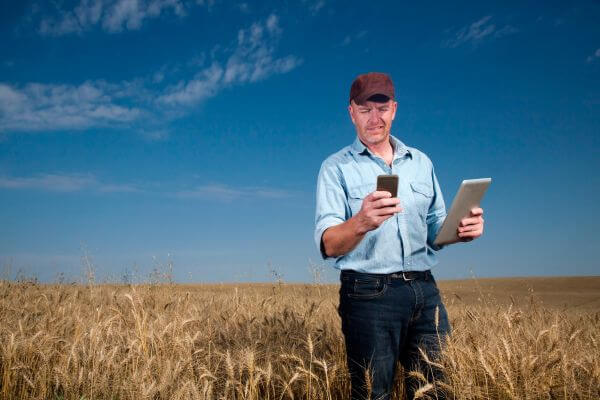
The rise of citizen science has democratized the field of conservation, engaging the public in data collection and environmental stewardship. Mobile apps and online platforms enable volunteers to contribute observations, from bird sightings to flowering times, enriching biodiversity databases with valuable data.
This collaborative approach expands the reach of scientific research, allowing for large-scale data collection across various habitats. Citizen science projects raise awareness about biodiversity and foster a sense of ownership and responsibility towards the environment. This participatory model is reshaping how conservation work is conducted.
Moreover, the involvement of non-scientists brings fresh perspectives and local knowledge that can enhance research outcomes. Citizen science is not just about gathering data; it’s about building a community that values and actively participates in the preservation of biodiversity.
Renewable Energy: Reducing the Carbon Footprint for Conservation
The shift towards renewable energy is a critical component of conservation efforts, as it reduces the carbon footprint that threatens biodiversity. Solar, wind, and hydroelectric power offer cleaner alternatives to fossil fuels, mitigating the impacts of climate change on ecosystems.
Renewable energy projects must be carefully planned to avoid adverse effects on wildlife and their habitats. For instance, wind turbines should be sited away from migratory bird paths to prevent collisions. The integration of renewable energy into conservation strategies is a delicate balance between harnessing natural resources and preserving them.
The adoption of renewable energy not only protects biodiversity but also ensures a sustainable future for all species, including humans. By reducing our reliance on fossil fuels, we can slow the pace of climate change and create a more resilient natural world.
Water Conservation Technologies: Sustaining Aquatic Biodiversity
Water is the lifeblood of biodiversity, and conservation technologies are vital in ensuring its sustainable use. Smart irrigation systems, rainwater harvesting, and wastewater treatment are just a few examples of how technology can optimize water use and reduce wastage.
Aquatic ecosystems are particularly sensitive to water quality and availability. Technologies that monitor and clean water sources play a crucial role in maintaining the health of these habitats. Efforts to conserve water not only benefit biodiversity but also support human communities that depend on these resources.
The implementation of water conservation technologies is a testament to the potential of innovation in safeguarding our planet’s biodiversity. By managing water wisely, we can ensure that both terrestrial and aquatic species continue to flourish.
Biodiversity Databases: Centralizing Knowledge for Conservation
In the digital era, biodiversity databases serve as central repositories of knowledge, crucial for conservation planning and action. These databases compile information on species distributions, conservation status, and ecological requirements, making it accessible to researchers, policymakers, and the public.
The standardization of data within these databases enhances the ability to compare and analyze information on a global scale. This centralized knowledge supports the identification of biodiversity hotspots and the prioritization of conservation efforts. Databases also facilitate international collaboration, as shared information leads to coordinated action.
The maintenance and expansion of biodiversity databases are ongoing challenges, requiring the commitment of resources and expertise. However, the value of these databases is immeasurable, as they are the foundation upon which effective conservation strategies are built.

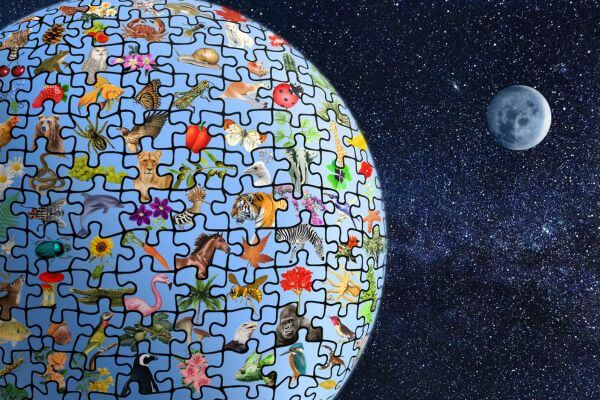
The intersection of technology and biodiversity conservation has opened avenues once thought impossible. From AI to citizen science, each innovation offers a piece of the puzzle in understanding and preserving the rich diversity of life on Earth. As we continue to develop and refine these technologies, their integration into conservation efforts becomes more seamless and impactful.
The primary keyword throughout this article has been “Technology in Biodiversity,” ensuring a strong SEO presence. Secondary keywords “Conservation Genetics” and “Bioacoustic Monitoring” are incorporated to broaden the article’s reach. The future of biodiversity conservation is inherently linked to technological advancement, and as stewards of this planet, it is our responsibility to leverage these tools for the greater good of all species.