




The landscape of transportation is undergoing a radical shift, with electric vehicle technology at the forefront. This transition is not just about new vehicle designs but a broader move towards sustainable mobility, reshaping how we view personal and public transportation.
Recent years have seen an explosion in electric vehicle (EV) adoption, driven by innovations in technology and growing environmental awareness. In 2022, electric car sales surged by 55%, illustrating the rapidly increasing interest in EVs worldwide.
As we step into 2023, the EV market is poised for further growth and innovation. This article will explore the latest advancements in electric vehicle technology and their implications for sustainability, offering a glimpse into the future of eco-friendly transportation.
Advancements in EV Battery Technology
A key driver behind the growth of the EV market is the significant improvements in battery technology. Innovations in this area have led to substantial cost reductions, making EVs more accessible and practical for a wider audience.
The introduction of advanced batteries, like those being developed for Formula E’s 3rd gen vehicles, is set to revolutionize the industry. These batteries promise exceptional power and energy capacity, enabling longer ranges and more efficient energy use.
The evolution of EV batteries is not only about enhancing performance but also about addressing concerns like range anxiety. With new models expected to offer ranges of 350-500 miles on a single charge, EVs are becoming increasingly viable for long-distance travel.
Electric Vehicles and Cost-Effectiveness
Electric vehicles are becoming increasingly attractive due to their lower running costs compared to internal combustion engine vehicles. Despite rising energy prices, strategies like home charging and using free charging points make EVs more economical.
The global shift in fuel production, including reduced crude oil production by OPEC, is likely to increase fossil fuel costs, further enhancing the cost-effectiveness of EVs.
This economic advantage, coupled with environmental benefits, is making the switch to electric vehicles an increasingly popular choice for consumers seeking both sustainability and affordability.
Expanding EV Charging Infrastructure
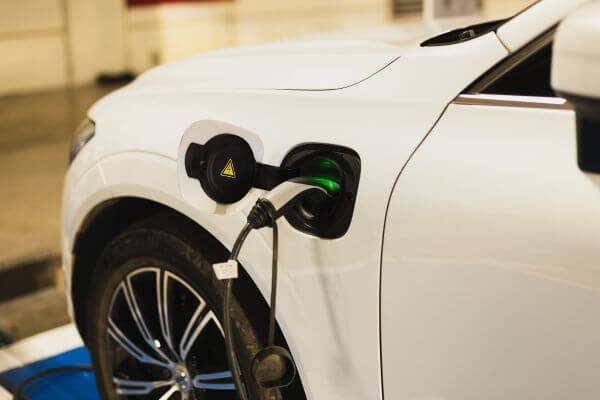
One of the challenges in EV adoption has been the concern over charging infrastructure. However, significant efforts are being made to expand and improve charging networks, easing the transition to electric vehicles.
In the UK, initiatives like Shell Recharge and partnerships with companies like ABB are helping create a more robust charging infrastructure. Government investment is also playing a crucial role in enhancing the availability of charging facilities.
As these efforts continue, the charging infrastructure is expected to become more widespread, making it easier and more convenient for people to own and operate electric vehicles.
AI Integration in EV Health Monitoring
Artificial Intelligence (AI) is set to transform electric vehicle technology, particularly in vehicle health monitoring. AI can provide real-time, comprehensive diagnostics of EVs, offering valuable insights into vehicle condition and performance.
This AI-driven approach can pre-emptively identify issues, saving time and costs in vehicle maintenance. It also opens up new possibilities for dynamic insurance policies, where premiums are adjusted based on real-time driving data.
By integrating AI, electric vehicles are not only becoming smarter but also more reliable and cost-effective, further enhancing their appeal to consumers.
Smart Grid and Sustainable Energy Use
The integration of electric vehicles with smart grid technology is addressing concerns about the impact of EV charging on the power grid. Smart tariffs and vehicle-to-home systems are helping balance grid demand and optimize energy use.
Technologies like bi-directional chargers allow EV owners to use their vehicle’s battery to power their homes during peak times, reducing grid strain and enhancing energy efficiency.
As the grid becomes greener and more efficient, the sustainability of electric vehicle technology is further reinforced, making it a cornerstone of future energy-efficient transportation solutions
Rise of Electric Two and Three-Wheelers
The electric two and three-wheeler market is experiencing a surge, particularly in countries like China and India. In 2022, the total fleet of these vehicles exceeded 50 million globally, with a significant share in Asian markets.
The popularity of electric three-wheelers in India is attributed to their cost-effectiveness, supportive policies, and innovative business models like battery-as-a-service. These factors are simplifying the transition to electric for consumers.
Electric two-wheelers, including e-scooters and bikes, are gaining traction due to their affordability and efficiency. Companies like Simple Energy and River are at the forefront of this trend, developing compact, high-performance models suitable for urban commuting.
Recommended for you
Electric Commercial Vehicles on the Rise
The electric vehicle revolution is not limited to passenger cars; it’s rapidly expanding into the commercial sector. Sales of electric light commercial vehicles and heavy-duty trucks have seen a significant increase, demonstrating a growing interest in sustainable transport solutions for businesses.
Zero-emission buses are becoming more common in countries prioritizing green public transport. This shift is evident in countries like Finland, where electric buses represent a majority of new bus sales.
With more than 200 new models entering the market in 2022, the future looks promising for electric heavy-duty vehicles. Countries are pledging towards all-electric bus and truck sales by 2040, showcasing a commitment to sustainable commercial transportation.
Innovations in Battery Technology and Charging Solutions
The growing demand for electric vehicles has increased the need for efficient batteries and charging solutions. Manufacturers are exploring options like battery-swapping stations for long-haul trucks, which could revolutionize the logistics industry.
Innovations like fleet-as-a-service (FaaS) are emerging, where companies like Xos offer comprehensive solutions including electric trucks, charging infrastructure, and fleet management services. This model facilitates the transition to zero-emission mobility for businesses.
With the rise in battery demand, there’s a push towards optimizing battery development. This includes reducing battery size, utilizing fewer materials, and exploring alternatives like sodium-ion batteries for low-range urban transportation.

Expansion of Charging Networks for Wider EV Adoption
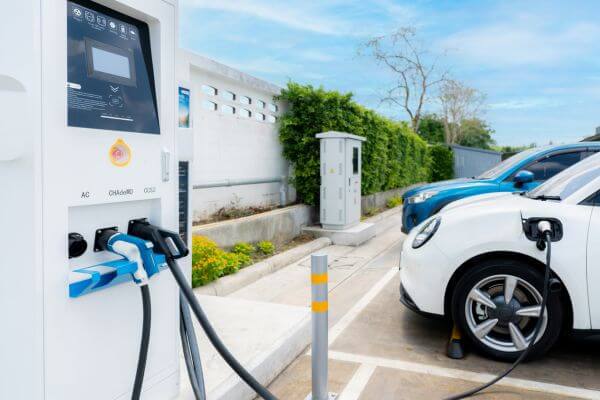
As electric vehicles become more common, the need for extensive charging networks is becoming more critical. Countries like China and the United States are investing heavily in building comprehensive networks of EV chargers.
The increase in the stock of fast chargers, especially in Europe, is making EV travel more feasible for longer distances. India’s initiative to build charging stations at regular intervals on major highways is a significant step towards supporting EV adoption.
These developments in charging infrastructure are crucial for the widespread adoption of electric vehicles. They not only provide convenience to EV users but also support the sustainability goals of reducing carbon emissions from transportation.
Conclusion
The world of electric vehicle technology is evolving rapidly, driven by a blend of innovation, sustainability, and consumer demand. From advanced battery technologies and AI integration to expanding charging infrastructures and the rise of electric commercial vehicles, these developments are setting the stage for a more sustainable and efficient transportation future. As electric vehicles become more integrated into our daily lives, they offer a promising path towards reducing our carbon footprint and achieving a greener planet.