




In today’s digital age, security has become a paramount concern. With increasing online threats, there’s a pressing need for robust identification methods. Enter biometrics – a technology that uses human characteristics for identification.
Biometrics are not just about fingerprints or retina scans. They encompass a broad spectrum of physiological and behavioral characteristics, from the shape of one’s ear to the rhythm of one’s typing. As technology advances, biometrics is poised to play a pivotal role in the future of digital security.
However, like all technologies, biometrics come with their own set of challenges. Privacy concerns, potential misuse, and the ethical implications of reducing human identity to a set of data points are all valid concerns. Yet, the potential benefits in terms of security and convenience are undeniable.
The Rise of Biometric Verification
In the digital age, identity verification has become paramount. Biometrics offers a solution, moving beyond traditional passwords. This technology uses unique physical or behavioral attributes, ensuring a higher level of security. From fingerprints to voice patterns, biometrics encompasses a wide range.
The global adoption of smartphones has played a pivotal role. Many devices now come equipped with fingerprint scanners or facial recognition capabilities. This widespread accessibility has paved the way for biometrics to become a mainstream method of verification, replacing or complementing traditional methods.
However, as with any technology, there are challenges. Concerns about data privacy and potential misuse have been raised. Ensuring that biometric data is stored securely, and only used for its intended purpose, is crucial to gaining public trust and ensuring ethical use.
Beyond Fingerprints: Diverse Biometric Methods
While fingerprints are the most recognized form of biometric verification, the field is vast. Facial recognition, for instance, has gained traction, especially in public security and mobile devices. Its ability to quickly verify individuals in crowds makes it invaluable in many scenarios.
Voice recognition is another growing area. Used in virtual assistants and customer service, it offers a hands-free method of verification. Similarly, iris scanning, though less common, boasts a high level of accuracy, making it a strong contender in secure environments.
Then there’s behavioral biometrics, which analyzes patterns in user behavior. This could include keystroke dynamics or even the way a person interacts with a device. It’s a more subtle form of verification, continuously authenticating users based on their behavior.
Biometrics in Everyday Life
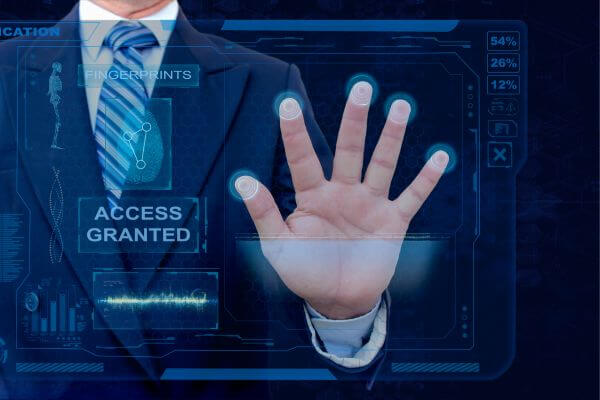
Today, biometrics is not just limited to high-security facilities. It’s embedded in our daily lives. Many of us unlock our phones using our faces or fingerprints, not really pondering the advanced technology at work. It’s become second nature, a testament to its seamless integration.
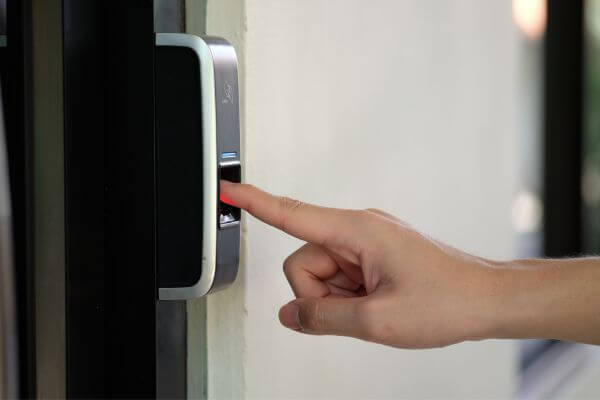
In airports, biometric systems fast-track immigration processes. Travelers can now move through checkpoints with just a facial scan, reducing queues and enhancing efficiency. Similarly, some workplaces use biometrics for access control, ensuring only authorized personnel enter certain areas.
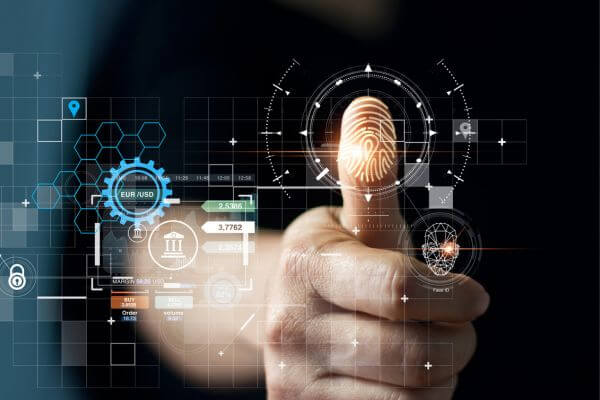
Even in banking, biometrics is making an impact. From voice commands to authorize transactions to fingerprint scans to access digital banking platforms, the financial sector is leveraging this technology to enhance security and user experience.
The Ethical Implications of Biometrics
With great power comes great responsibility. The ability to accurately identify individuals brings forth ethical dilemmas. Data privacy is at the forefront. Users need assurance that their biometric data won’t be misused or fall into the wrong hands.
Moreover, there’s the risk of surveillance. Without proper checks and balances, biometrics could be used to monitor individuals without their knowledge or consent. This Orwellian scenario is a concern for many, emphasizing the need for clear regulations and transparency.
Bias is another issue. Early biometric systems were criticized for inaccuracies, especially when verifying individuals from certain ethnic backgrounds. Ensuring these systems are inclusive and free from bias is not just an ethical imperative but a functional one.
Challenges and Limitations of Biometric Systems
No technology is foolproof, and biometrics is no exception. While it offers enhanced security, there are still vulnerabilities. For instance, facial recognition systems can sometimes be fooled by photographs, masks, or even sophisticated 3D models.
Another challenge is the storage and management of biometric data. This data is incredibly sensitive. A password can be changed if compromised, but biometric attributes are immutable. Ensuring this data remains secure is a monumental task, requiring advanced encryption and stringent data handling protocols.
Lastly, there’s the challenge of public perception. While many appreciate the convenience biometrics offers, others are wary. Concerns about privacy, potential misuse, and even fears about biometric data being stolen or replicated are barriers to universal adoption.
Recommended for you
Biometrics in Everyday Life
Every day, millions unlock their smartphones using fingerprints. This simple act, once the stuff of science fiction, is now a routine part of our day. Beyond phones, biometrics are reshaping the way we access services, from banking to travel.
Airports worldwide are adopting facial recognition for faster, more efficient boarding and security checks. Gone are the days of long queues and manual verifications. Now, a quick scan is all it takes to verify a traveler’s identity, streamlining the entire process.
However, as biometrics become more integrated into our daily routines, concerns about privacy and data security arise. The very features that make biometrics unique also make them a valuable target for cybercriminals. Safeguarding this data becomes paramount.
Ethical Implications of Biometrics
The rise of biometrics brings forth a plethora of ethical dilemmas. While they offer enhanced security, they also tread a fine line between protection and invasion of privacy. Every scan or recognition captures personal data, raising questions about its storage and use.
Moreover, there’s the potential for misuse, especially if this data falls into the wrong hands. Biometric data, once compromised, can’t be changed like a password. This permanence makes its security even more critical and a subject of intense debate.
Lastly, there’s a need for clear regulations and guidelines. As biometrics become more prevalent, ensuring that companies and governments use this data responsibly is crucial. Transparent policies can help build trust and ensure the ethical use of technology.
The Role of AI in Biometric Verification
Artificial Intelligence (AI) is the backbone of modern biometric systems. It’s AI that enables these systems to learn, adapt, and improve over time. With each scan or verification, the system becomes more accurate, reducing the chances of false positives.
Furthermore, AI-powered biometric systems can detect attempts at spoofing or fraud. Advanced algorithms can differentiate between a live person and a photograph, ensuring that only legitimate verifications pass through. This adds an extra layer of security to the process.
However, the integration of AI also brings challenges. Ensuring that these algorithms are free from biases and can accurately verify individuals from diverse backgrounds is essential. Continuous refinement and testing are crucial to maintain the system’s integrity.
Biometrics in the Post-pandemic World
The COVID-19 pandemic has accelerated the adoption of contactless verification methods. Biometrics, especially facial recognition, has seen a surge in use, from office buildings to public transport systems. The emphasis is on reducing physical contact and ensuring safety.
In healthcare, biometrics are being used to identify patients, ensuring that medical records are accurately matched and reducing errors. This not only enhances patient safety but also streamlines administrative processes, leading to more efficient care.
While the pandemic has undoubtedly accelerated the adoption of biometrics, it’s also highlighted the need for robust security measures. As more sectors rely on this technology, ensuring its safe and ethical use becomes even more paramount.
The Future of Biometrics and Identity Verification
The future of biometrics is undoubtedly promising. As technology continues to evolve, we can expect even more accurate, efficient, and secure systems. The integration of technologies like blockchain could further enhance data security, ensuring that biometric data remains tamper-proof.
Moreover, as the world becomes more interconnected, the need for quick and reliable identity verification will only grow. Biometrics will play a pivotal role in this, ensuring that individuals can prove their identity without relying on physical documents.
However, with great power comes great responsibility. As biometric systems become more advanced, ensuring their ethical and responsible use is crucial. Balancing security with privacy will be the defining challenge of the biometric age.