


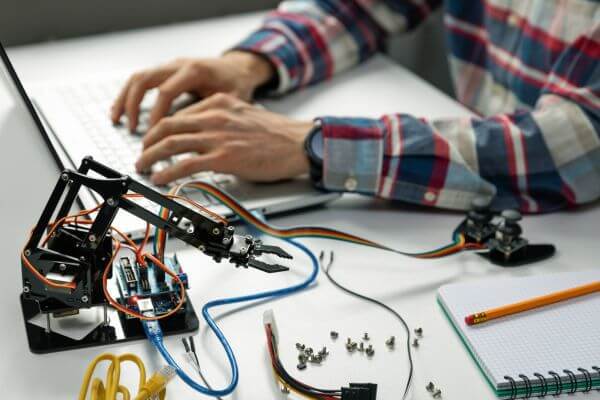

From automated vacuum cleaners to advanced surgical robots, the influence of robotics in our daily lives is undeniable. These machines, once confined to science fiction, now play pivotal roles in various sectors. Beyond their industrial applications, robots are shaping our everyday experiences, offering convenience, efficiency, and precision.
The initial breakthrough of robotics was primarily in manufacturing. However, their reach has expanded, touching various facets of our lives. Whether it’s the smart assistants in our homes or the automated systems in our cars, robotics is omnipresent.
As technology continues to evolve, the role of robotics becomes even more pronounced. They’re not just limited to repetitive tasks but are now capable of tasks that require complex decision-making. This evolution promises a future where robots might become as commonplace as smartphones today.
Household Helpers: Robotics
Robots in our homes are no longer a novelty. Devices like Roomba have made cleaning automated, allowing users to focus on other tasks. These robots map the house, avoid obstacles, and ensure every nook and cranny is clean.
Smart assistants like Alexa and Google Home, powered by AI, control various devices in our homes. From setting the thermostat to playing our favorite songs, these robots make our lives convenient.
Moreover, with advancements in AI, these devices are continuously learning and adapting. They understand our preferences, routines, and even anticipate our needs, making our interactions seamless and intuitive.
Robotics: Precision and Efficiency in Healthcare
The healthcare sector has seen significant benefits from robotics. Surgical robots, for instance, can perform intricate procedures with unparalleled precision, reducing risks and improving patient outcomes.
Robots are also assisting in patient care, especially in elderly care. They help in monitoring vital signs, ensuring timely medication, and even providing companionship, especially in regions with a shortage of healthcare professionals.
Furthermore, in rehabilitation, robots assist patients in regaining their motor skills. They provide consistent support, ensuring patients get the best care, speeding up their recovery process.
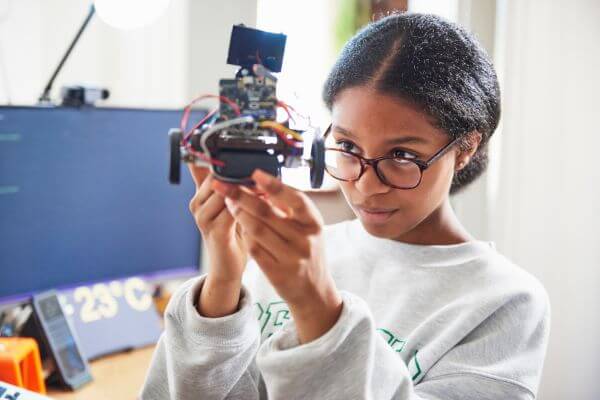
Robotics in education: Personalized Learning Experiences
Robots in education are revolutionizing how we learn. They offer personalized learning experiences, adapting to each student’s pace, ensuring no one is left behind.
In special education, robots have proven to be invaluable. They assist children with autism in social interactions, helping them communicate better and integrate into society.
Moreover, with the current global situation, robots are ensuring continuity in education. They allow remote learning, ensuring students don’t miss out due to external factors, be it a pandemic or natural disasters.
Agriculture: Boosting Productivity and Sustainability
The agricultural sector, the backbone of many economies, is also benefiting from robotics. Robots are used for planting, harvesting, and even sorting, ensuring maximum yield.
These robots, equipped with sensors, monitor the crops, ensuring they get the right amount of water and nutrients. This not only boosts productivity but also ensures sustainability, a need of the hour.
Furthermore, with the global population on the rise, ensuring food security becomes paramount. Robots, with their efficiency, can meet these rising demands, ensuring everyone has food on their table.
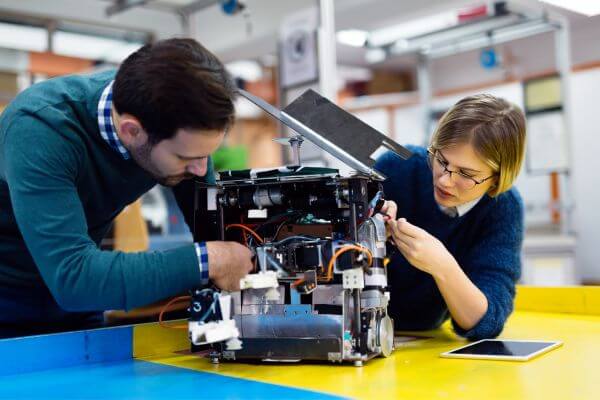
Transportation: Towards a Safer and Efficient Future
Autonomous vehicles, a testament to the advancements in robotics, promise a future of safe and efficient transportation. These vehicles, equipped with sensors and AI, can navigate complex environments, reducing accidents.
Moreover, in logistics, robots ensure timely delivery of goods. They sort, package, and even deliver goods, especially in regions hard to reach by humans.
With the data they collect, these robots can optimize routes, ensuring goods are delivered in the shortest time, reducing the carbon footprint, a step towards a sustainable future.
Recommended for you
- EdTech: Transforming Education Through Technological Innovations
- eSports: Rise and Cultural Impact of Gaming
Entertainment: A New Era of Interaction
The entertainment industry has been significantly transformed by robotics. Theme parks now use robots for more interactive and lifelike attractions, enhancing the visitor experience. These robots can mimic human emotions, engage in conversations, and even perform complex tasks, making the experience unforgettable.
In the world of cinema, robots play crucial roles both on and off-screen. They assist in camera movements, ensuring smooth transitions and perfect shots. On-screen, animatronics bring characters to life, making them more relatable and real.
Moreover, in the gaming world, robots provide a more immersive experience. They react to players’ movements, ensuring a dynamic gaming environment, pushing the boundaries of virtual and real worlds.
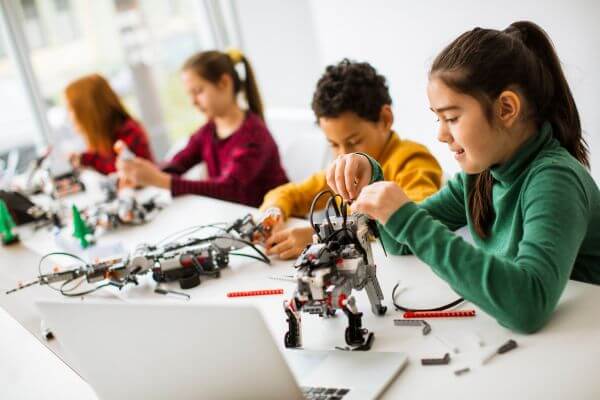
Retail: Enhancing Customer Experience
The retail sector is another area where robotics is making significant inroads. Robots in supermarkets help in restocking shelves, ensuring products are always available. They also assist customers in finding products, enhancing their shopping experience.
In warehouses, robots sort and package goods. They ensure orders are processed quickly, reducing waiting times for customers. With the data they collect, these robots can predict demand, ensuring stocks are always maintained.
Furthermore, with the rise of online shopping, robots play a crucial role in ensuring timely deliveries. They sort, package, and even deliver goods, especially in regions hard to reach by humans.
Robotics in Security: Vigilant Protectors
Robots are now being employed for security purposes. They patrol areas, ensuring the safety of premises. Equipped with sensors, they can detect intruders, alerting authorities in real-time, ensuring timely interventions.
Moreover, in regions with harsh conditions, robots ensure continuous monitoring. They can withstand extreme temperatures, ensuring areas are always under surveillance, be it borders or critical infrastructure.
Furthermore, with advancements in AI, these robots can differentiate between regular activities and anomalies. They can detect suspicious activities, ensuring threats are neutralized before they materialize.
Sports: Enhancing Training and Performance
The world of sports is also benefiting from robotics. Robots are used for training, mimicking opponents, ensuring athletes are always prepared. They can replicate any playing style, ensuring athletes face diverse challenges, improving their skills.
Moreover, in sports analysis, robots provide insights, ensuring teams can strategize better. They analyze opponents, providing data on their strengths and weaknesses, ensuring teams are always a step ahead.
Furthermore, in sports rehabilitation, robots assist athletes in regaining their form. They provide consistent support, ensuring athletes recover quickly, getting back to their peak performance.
Robots in tourism: A New Way to Explore
Robots in tourism are enhancing how we explore. They assist tourists, providing information, ensuring they get the best experience. In museums, robots provide guided tours, offering insights into exhibits, making the experience educational and fun.
Moreover, in hotels, robots ensure guests have everything they need. They assist in check-ins, ensuring the process is smooth. They also provide room service, ensuring guests have a comfortable stay.
Furthermore, with the current global situation, robots ensure safety. They sanitize areas, ensuring places are free from contaminants, ensuring tourists’ safety.
The role of robotics in our daily lives is undeniable. They offer convenience, efficiency, and precision, making our lives better. As technology continues to evolve, the role of robotics will only become more pronounced, promising a future where they become an integral part of our lives.