


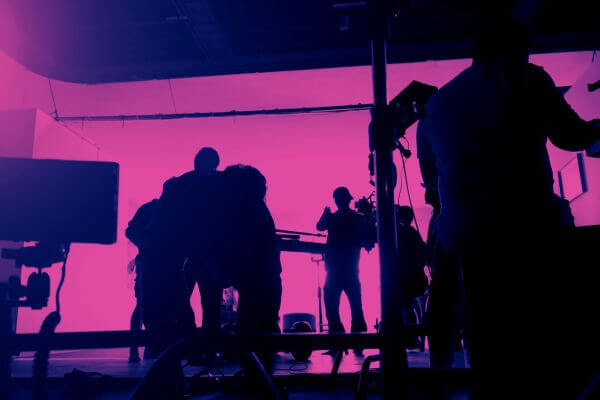

The film industry has always been a crucible of innovation, where storytelling and technology converge to create magic on screen. From the early days of silent films to the modern era of blockbusters, technology has driven cinematic evolution. Today, digital effects and computer-generated imagery (CGI) are staples in the filmmaker’s toolkit, enabling the creation of worlds that defy our reality.
Advancements in camera technology have revolutionized the way movies are shot. High-definition cameras and drones have replaced bulky equipment, allowing for more dynamic cinematography. The rise of virtual production has further blurred the lines between physical and digital filmmaking, with LED walls displaying immersive backgrounds in real-time.
Impact of technology extends beyond the screen, enhancing the audience experience. The proliferation of streaming services has transformed how we consume movies, bringing the cinema to our living rooms. This shift has prompted filmmakers to adapt, crafting stories that resonate whether viewed on a massive screen or a smartphone.
CGI Mastery: Crafting Realities Beyond Imagination
The advent of CGI has unlocked new realms of creativity for filmmakers. Blockbusters like ‘Avatar’ and ‘The Lord of the Rings’ showcase the boundless potential of digital worlds. CGI not only creates fantastical landscapes but also breathes life into characters that once would have been impossible to portray.
Behind every CGI masterpiece is a team of skilled artists and powerful computers. The process of rendering, which transforms digital models into realistic images, has become faster and more sophisticated. This has allowed for more intricate and believable effects that seamlessly integrate with live-action footage.
The use of motion capture technology has further enhanced the realism of CGI characters. Actors adorned with sensors can now give life to digital creations, ensuring that every nuance of their performance is captured. This synergy between actor and animation is epitomized in characters like Gollum and Caesar from ‘Planet of the Apes’.

Virtual Production: A New Frontier in Filmmaking
Virtual production is revolutionizing the filmmaking process. By utilizing game engine technology, filmmakers can visualize complex scenes before they are shot. This not only saves time and resources but also allows for greater creative freedom, as changes can be made on the fly.
The Mandalorian’s use of The Volume, an LED stage that projects digital environments, exemplifies virtual production’s potential. This technology enables real-time interaction between actors and their surroundings, creating a more immersive and cohesive final product.
Virtual production also democratizes filmmaking. Independent creators can access tools that were once the domain of big studios, leveling the playing field. This shift is likely to spur a wave of innovation as more voices and visions are brought to the forefront of cinema.
Enhanced Cinematography: The Digital Camera Revolution
Digital cameras have transformed cinematography, making it possible to shoot in conditions that were once challenging. Low-light scenes retain their clarity and detail, thanks to the sensitivity of modern sensors. The RED and ARRI cameras are at the forefront of this revolution, offering filmmakers unprecedented image quality.
The flexibility of digital cameras facilitates a new level of creativity. Directors and cinematographers can experiment with angles and movements that would have been cumbersome with traditional film cameras. This has led to a more dynamic visual language in cinema, with the camera becoming an active storyteller.
Moreover, the digital format simplifies the post-production process. Color grading and editing are more streamlined, allowing for a quicker turnaround from shooting to final cut. This efficiency is crucial in an industry where time is often of the essence.

Sound Design: The Auditory Dimension of Technology
Sound design has undergone a transformation parallel to visual effects. The clarity and depth of digital sound create an auditory landscape that is as rich as the visual one. Dolby Atmos and other surround sound technologies envelop the audience, placing them at the heart of the action.
The creation of soundscapes for films like ‘Gravity’ showcases the meticulous craft of sound designers. Every auditory detail is engineered to enhance the storytelling, from the eerie silence of space to the muffled sounds inside a helmet. The technology allows for a precision that elevates the cinematic experience.
Advances in sound editing software have also expanded the possibilities for sound designers. They can manipulate and layer sounds with greater control, crafting unique auditory signatures for films. This sonic branding becomes as iconic as the visuals, think of the lightsaber hum or the T-Rex roar.
Streaming Services: Changing the Landscape of Film Distribution
Streaming services have ushered in a new era for film distribution. Platforms like Netflix and Amazon Prime Video are not just content distributors but also content creators, investing in original films and series. This has broadened the scope of what is considered cinema, with many streaming exclusives garnering critical acclaim.
The convenience of streaming has changed audience expectations. Viewers have a world of content at their fingertips, leading to more diverse viewing habits. The binge-watching phenomenon, enabled by streaming, has also influenced narrative structures, with stories often designed for prolonged engagement.
Despite concerns about the impact on traditional theaters, streaming services have provided a lifeline for films during times when cinemas have been inaccessible. They have ensured that the
Recommended for you
- EdTech: Transforming Education Through Technological Innovations
- eSports: Rise and Cultural Impact of Gaming
The Rise of Indie Films: Technology as an Equalizer
The digital age has been a boon for independent filmmakers. With access to affordable high-quality equipment, indie creators are producing content that rivals the production value of studio films. Crowdfunding platforms have also emerged as vital resources, enabling filmmakers to finance their visions directly through audience support.
Technology has not only democratized film production but also distribution. Video on demand (VOD) platforms allow indie films to reach global audiences without the need for costly theatrical releases. This has led to a surge in the availability and popularity of indie films, providing a counterbalance to mainstream cinema.
The indie film scene has become a hotbed for innovation. Without the constraints of studio demands, indie filmmakers experiment with narrative forms and visual styles. This creative freedom often results in groundbreaking films that push the boundaries of the medium.
Animation and VFX: The Blending of Realities
Animation and visual effects (VFX) have grown increasingly sophisticated, often indistinguishable from live-action footage. Films like ‘Life of Pi’ and ‘The Jungle Book’ have set new standards, creating entire ecosystems that feel as real as any filmed in the wild. This illusion is achieved through a meticulous blend of VFX and live-action elements.
The technology behind animation and VFX is constantly evolving. Software updates provide artists with more intuitive tools, streamlining the animation process. The use of artificial intelligence in animation is also on the rise, offering new ways to animate complex scenes and characters.
Despite the technological advancements, the heart of animation remains the artistry of the animators. It is their skill that infuses characters with emotion and personality, making them resonate with audiences. Technology is the tool, but storytelling is the soul.

The Role of AI in Filmmaking: A New Creative Partner
Artificial intelligence (AI) is beginning to play a significant role in filmmaking. AI algorithms assist in scriptwriting, providing suggestions for plot development and dialogue. This technology is also used in post-production, where it can automate certain editing tasks and even predict audience reactions.
AI’s involvement extends to the business side of cinema. Data analytics powered by AI help studios understand audience preferences, guiding marketing strategies and distribution plans. This data-driven approach is reshaping how films are marketed and who they are targeted towards.
While some fear AI may stifle creativity, others see it as a collaborator that enhances the filmmaking process. AI can handle time-consuming tasks, freeing up human creatives to focus on the art of storytelling. The potential for AI in cinema is vast, and we are just scratching the surface.
Interactive and Immersive Experiences: The Future of Cinema
The future of cinema lies in interactive and immersive experiences. Virtual reality (VR) and augmented reality (AR) are opening new frontiers, allowing viewers to step inside the story. Films are becoming more than passive experiences; they are evolving into engaging, multi-sensory events.
Interactive cinema challenges traditional storytelling methods. Audiences can influence the narrative, leading to multiple storylines and endings. This interactivity introduces a new layer of complexity in scriptwriting and production but also offers a unique connection with the audience.
As technology advances, the line between cinema and gaming is blurring. The gamification of film experiences promises to attract a new generation of viewers, eager for content that is not just watched but lived. This evolution will redefine what it means to “go to the movies.”

The Environmental Impact of Film Production: A Call for Sustainability
The film industry’s environmental impact is an increasing concern. The production of a single film can generate significant carbon emissions and waste. However, technology is providing solutions, such as virtual sets that reduce the need for location shooting and physical set construction.
Sustainable practices are becoming more prevalent in filmmaking. Studios are implementing green policies, from using LED lighting to recycling props. The push for sustainability is not just an ethical choice but also a reflection of audience values, as viewers are more environmentally conscious.
The challenge of sustainability extends to the distribution of films. Digital releases reduce the carbon footprint associated with physical media. As the industry moves towards a more digital-centric model, the potential for a greener future in cinema grows.